
P0130 Upstream Oxygen Sensor Circuit: Causes and Fix Costs

Sensor 1 on Bank 1 is the oxygen sensor screwed into the exhaust ahead of the catalytic converter, and it is the one the ECU leans on to set fuelling minute by minute. P0130 means the signal coming back down that circuit is not credible: out of range, stuck, or absent. That points at the sensor, its wiring or its connector, and until it is sorted the engine is running on a rough estimate rather than a measurement.
What the code actually means
On a petrol engine the pre-cat lambda sensor is the ECU’s only direct evidence about what is actually coming out of the combustion chambers. It reports whether the exhaust is richer or leaner than the ideal mixture, and the ECU adjusts injector opening times to suit, hundreds of times a minute. That closed-loop feedback is what keeps fuelling accurate as the car ages, as the weather changes, and as fuel quality varies.
The common narrowband type generates its own small voltage, roughly 0.1 V when the exhaust is lean and roughly 0.9 V when it is rich, and on a warm healthy engine it crosses back and forth between those extremes several times a second. Many newer cars use a wideband sensor instead, which reports a lambda value or a pumping current rather than that see-saw voltage. Both are wired to the ECU through a small loom that also carries the sensor’s internal heater.
P0130 is a circuit-level complaint rather than a diagnosis. The ECU expected a plausible, moving signal and did not get one, so it stored the code and dropped out of closed loop into an open-loop backup map. That backup keeps the car driveable, but it is a generic table rather than a live measurement, so fuelling drifts away from ideal and emissions go with it.
The neighbouring codes narrow things faster, so it is worth knowing them. P0131 and P0132 mean the voltage sat too low or too high, P0133 means the sensor switches but sluggishly, and P0134 means no activity at all. A plain P0130 means the ECU saw something wrong without pinning it to one of those patterns.
Sensor 1 or Sensor 2
Sensor numbering follows the exhaust flow, not the engine bay layout. Sensor 1 is always the one nearest the engine, before the converter. If your code names Sensor 2 instead, you are dealing with the post-cat sensor, which does a completely different job and matters much less to how the car runs.
Symptoms you’ll actually notice
Unlike a lot of emissions codes, this one usually shows itself in the way the car behaves:
- Noticeably worse fuel economy, often the first thing an owner spots.
- A lumpy or hunting idle, sometimes with a slight hesitation as you pull away.
- A petrol smell from the exhaust, or sooty deposits around the tailpipe.
- Reduced throttle response, because open-loop fuelling errs on the safe, rich side.
- The engine management light on, and often other fuel-trim codes stored with it.
Left alone for long enough, a rich open-loop mixture will start damaging the catalytic converter, which turns a modest sensor bill into a much larger one. This is not a code to ignore for six months.
Likely causes, cheapest first
| Cause | Typical part cost | Why it’s on the list |
|---|---|---|
| Dirty, corroded or partly unplugged sensor connector | Nothing, or a few pounds of contact cleaner | The connector sits in a hot, wet, salty place. Unplug it and look before spending anything. |
| Chafed or melted signal wiring | A few pounds for wire, terminals and heatshrink | Sensor looms get pulled tight or rest against the exhaust and eventually rub through. |
| Blown fuse feeding the sensor heater circuit | Pennies | Without heat the sensor never reaches operating temperature, so its signal looks dead or lazy. |
| Exhaust leak upstream of the sensor | £10 to £30 for a gasket, clamp or paste | Air pulled in ahead of the sensor makes it report permanently lean and can push the reading out of range. |
| Sensor contaminated by oil, coolant or silicone sealant | Cost of the sensor, plus the underlying leak | Contamination coats the tip and kills its response. Replacing the sensor alone will not last. |
| Upstream lambda sensor worn out | Roughly £30 to £120 aftermarket | Genuinely common at high mileage, but confirm the circuit is sound before you buy one. |
| ECU or an internal driver fault | Varies widely | Rare. Only worth considering once wiring and sensor are proved good. |
Work in that order because a new sensor cures nothing if the fault lies in the two feet of wire behind it. Wiring and connector faults are free to inspect and almost free to repair, yet they get skipped because fitting a new sensor feels like doing something. Spend ten minutes with a torch first.
Narrowing it down with live data
Pull the freeze frame before anything else. Coolant temperature at the moment of the fault is the single most telling field here: if the code set on a cold engine, you may be chasing a heater or warm-up problem, whereas a fault captured on a fully warm engine at cruise points at the sensor or its signal wire.
With the engine at proper operating temperature, graph the Bank 1 Sensor 1 voltage. A healthy narrowband sensor should be restless, sweeping across roughly 0.1 V to 0.9 V several times a second and never settling. A trace pinned near 0.45 V and barely moving suggests the ECU is seeing a bias voltage instead of a real signal, which usually means an open circuit or a dead sensor. A trace that switches but slowly, taking a second or more per crossing, is a lazy sensor rather than a broken one.
Provoke it deliberately. Snap the throttle open and the mixture goes momentarily rich, so the trace should shoot towards its high end; lift off into overrun and it should drop towards its low end. A sensor that refuses to follow both swings has failed, whatever it does at idle. On a wideband sensor, watch the reported lambda instead and expect a smooth value near 1.00 at cruise rather than switching.
Then check both fuel trims. Long-term trim sitting well positive means the ECU has been adding fuel to correct something, and an unmetered air leak becomes as likely as a sensor fault. Cross-check the second bank if your engine has one: a fault on both banks at once is far more likely to be air, fuel pressure or an exhaust leak than two sensors failing together. Reading these values live needs an edition with live data and freeze frame, which the edition comparison sets out.
Garage bill versus doing it yourself
| Job | Typical UK garage | DIY parts only |
|---|---|---|
| Diagnostic session | Roughly £50 to £120 | Your own time |
| Connector clean or wiring repair | Roughly £40 to £100 | Under £10 |
| Upstream sensor replaced | Roughly £100 to £250 | £30 to £120 |
| Sensor seized, manifold removal needed | Roughly £200 to £450 | Not realistic at home |
Most UK garages bill diagnosis at around an hour of labour, with hourly rates differing sharply between an independent workshop and a franchised dealer, and between regions. Costs for the same job on two different cars can be miles apart, so use these bands to sanity-check a quote rather than to argue with one.
When this is a DIY job and when it isn’t
Fair game on the driveway
Inspecting the connector, checking the relevant fuse and repairing a rubbed-through wire are all sensible home jobs and cost almost nothing. On many cars the upstream sensor is reachable from above with the bonnet up, in which case swapping it is a twenty-minute task with the right socket. Buy the sensor for your exact engine variant rather than a universal one you have to splice.
Better left to a workshop
If the sensor sits low in a downpipe on a car that has seen ten British winters of salted roads, the threads may well be seized. Work on an exhaust that is warm rather than hot, soak the threads and give the penetrating oil real time, and use a slotted lambda socket so you are not rounding the flats off. Handle the new sensor by its body, keep grease and sealant off the tip, and torque it to the manual figure rather than leaning on the bar. If it twists instead of turning, stop: a sheared sensor in a manifold is a machine-shop problem.
Clearing the code the right way
Repair first, clear second. Erasing the code before you have looked at the freeze frame throws away the one record of the conditions the ECU objected to.
Pending and stored codes behave differently. A pending code is a first failure the ECU is still watching, and it may clear itself after a few good drive cycles. A stored code with the lamp lit has failed repeatedly. If you clear a stored P0130 and it comes straight back on the next warm-up, that is a genuinely useful result rather than a setback, because it tells you the fault is live and constant rather than intermittent.
Clearing also wipes the readiness monitors, and the oxygen sensor monitor needs a full cold start followed by a proper warm run before it reports complete. Repair, clear once, then drive normally for a few days and re-check the monitors.
What this means for your MOT
On any petrol car first used from July 2003, an engine management light still lit after the ignition is turned on is a Major defect, which fails the test before the tester measures anything at the tailpipe. Because a faulty upstream sensor also drags fuelling off target, a car with a live P0130 has a fair chance of failing the exhaust emissions check too, and a US smog check fails on the lit lamp and on unfinished monitors alike. Fix the circuit and both problems go away together.
Check the sensor before you replace it
Most P0130 repairs start with reading the code properly and looking at what the sensor is doing. You can download AutoScan and confirm it installs and talks to your car before deciding which edition you need.
Read it yourself
Stop guessing at the code
AutoScan reads the fault straight out of your car and tells you what it means in plain English, on your own Windows laptop. The trial reads real codes before you pay anything.
Keep reading
Related guides
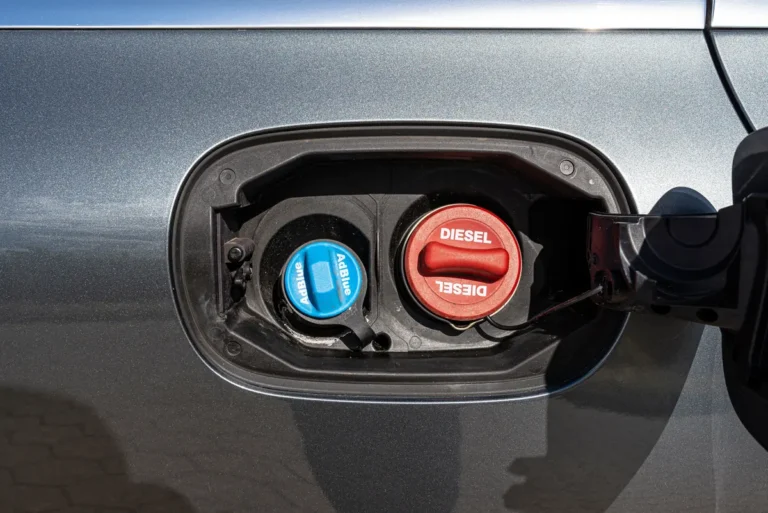
P0455 Large EVAP Leak: Start With the Fuel Cap
A large evaporative leak is the one EVAP fault you can often find yourself in five minutes, and the fuel cap is…
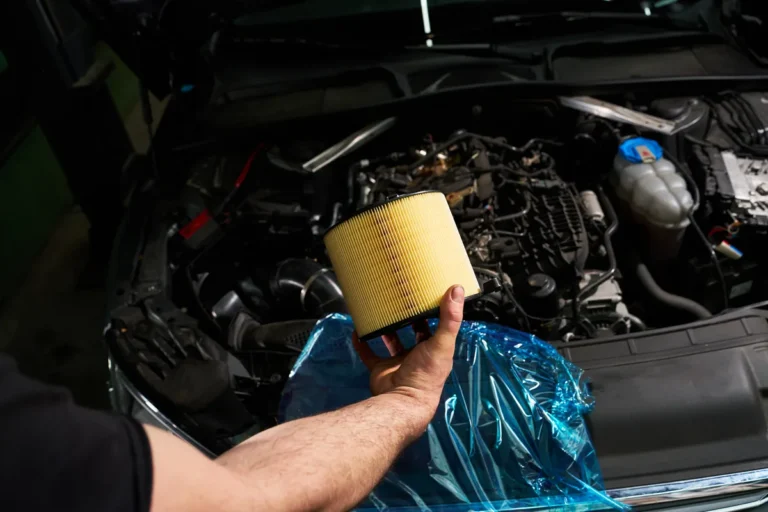
P0102 Mass Air Flow Circuit Low Input: Sensor or Symptom?
How to tell a genuinely dead mass air flow sensor from one reading low because of a restriction, a split pipe, an…
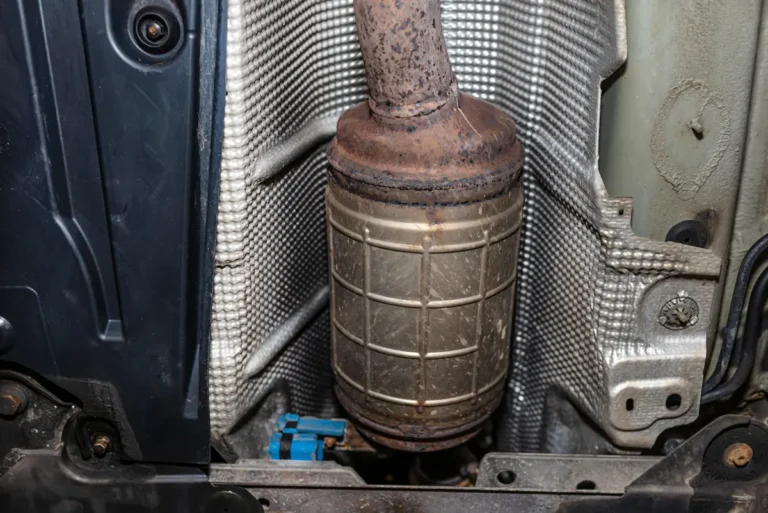
P0420: Why It Is Rarely Just the Catalytic Converter
What the ECU is really measuring when it stores P0420, the cheaper faults that produce an identical reading, and how to check…