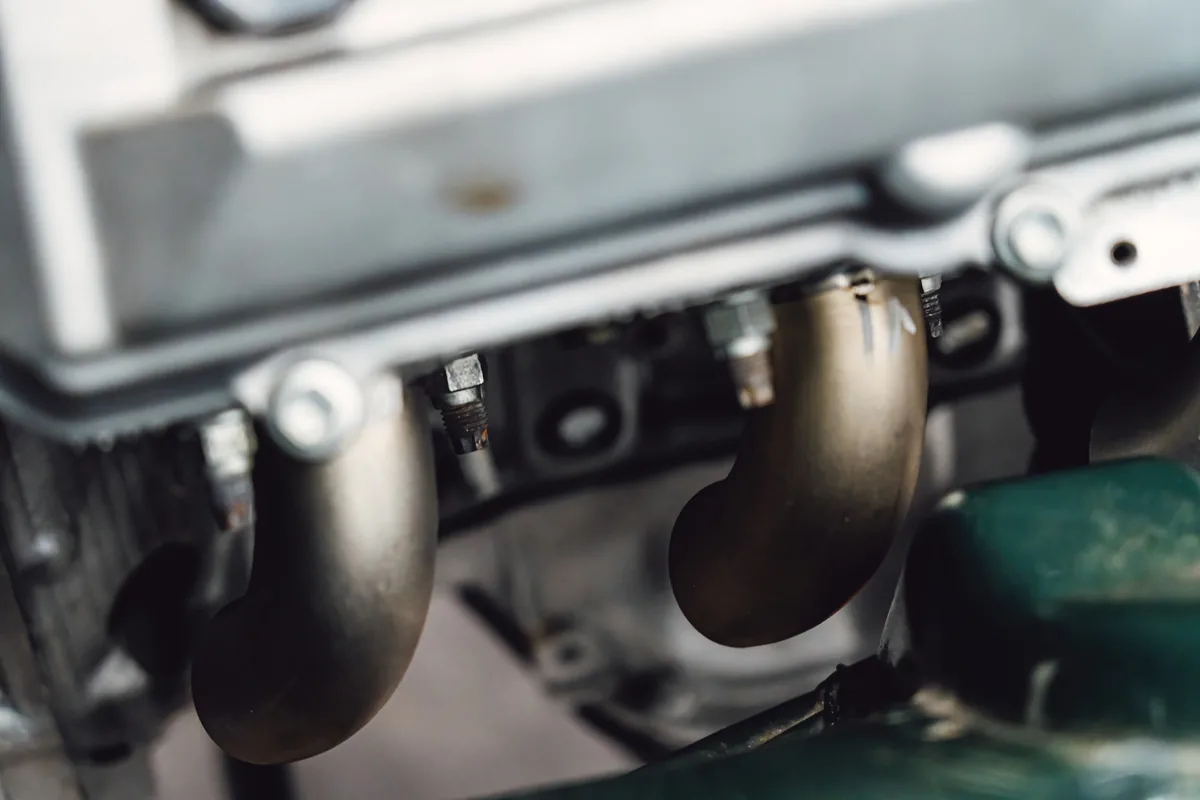
P0401 EGR Flow Insufficient: Carbon, Cleaning and Costs
Why the EGR system exists, how the ECU works out that too little exhaust gas is getting through, and when cleaning the valve is worth doing instead of replacing it.

AutoScan journal
Fault Codes — Fault codes explained properly, what each one usually costs to put right, and how to check it yourself before anyone quotes you.
Why the EGR system exists, how the ECU works out that too little exhaust gas is getting through, and when cleaning the valve is worth doing instead of replacing it.
Why the pre-cat lambda sensor circuit matters more than the one behind it, how to tell a dead sensor from bad wiring, and what the repair usually costs in the UK.
What a small evaporative emission leak really is, why it hides so well, the cheap causes to rule out first, and how a smoke test finds it properly.
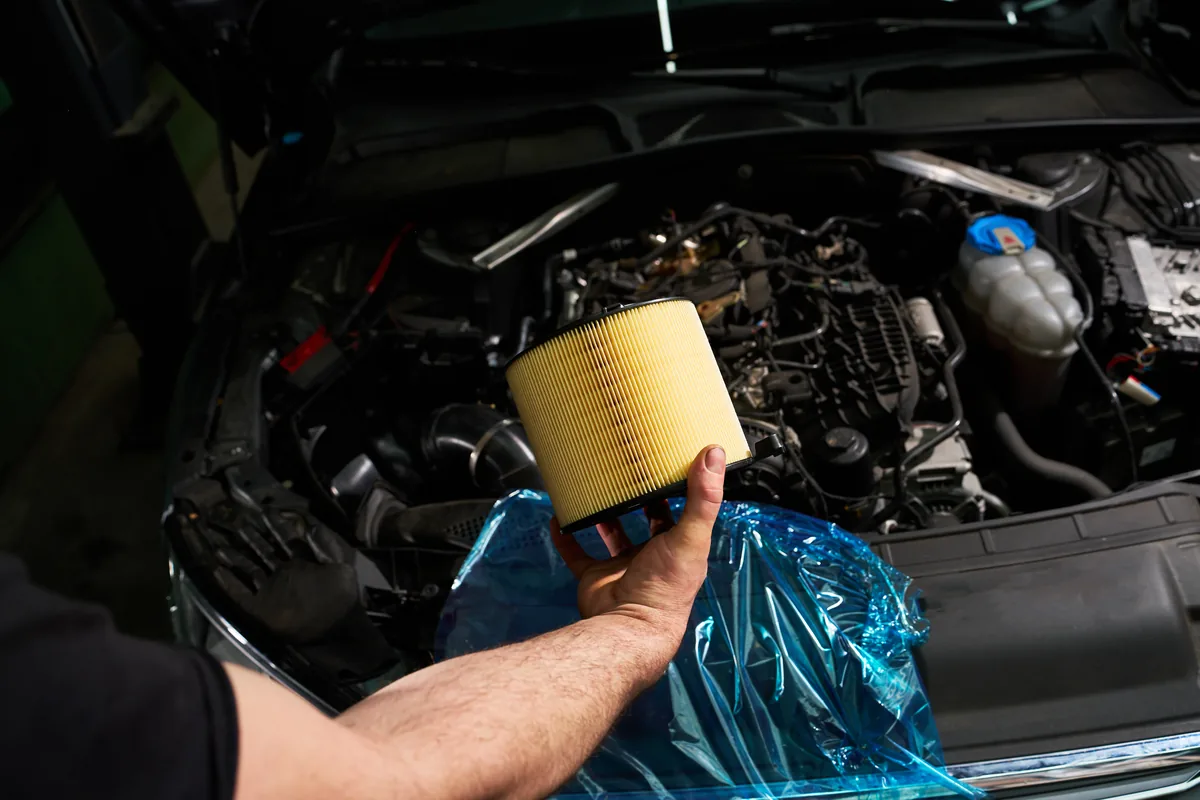
How to tell a genuinely dead mass air flow sensor from one reading low because of a restriction, a split pipe, an oiled filter or a wiring fault, plus real costs.
A large evaporative leak is the one EVAP fault you can often find yourself in five minutes, and the fuel cap is behind it more often than anything else.
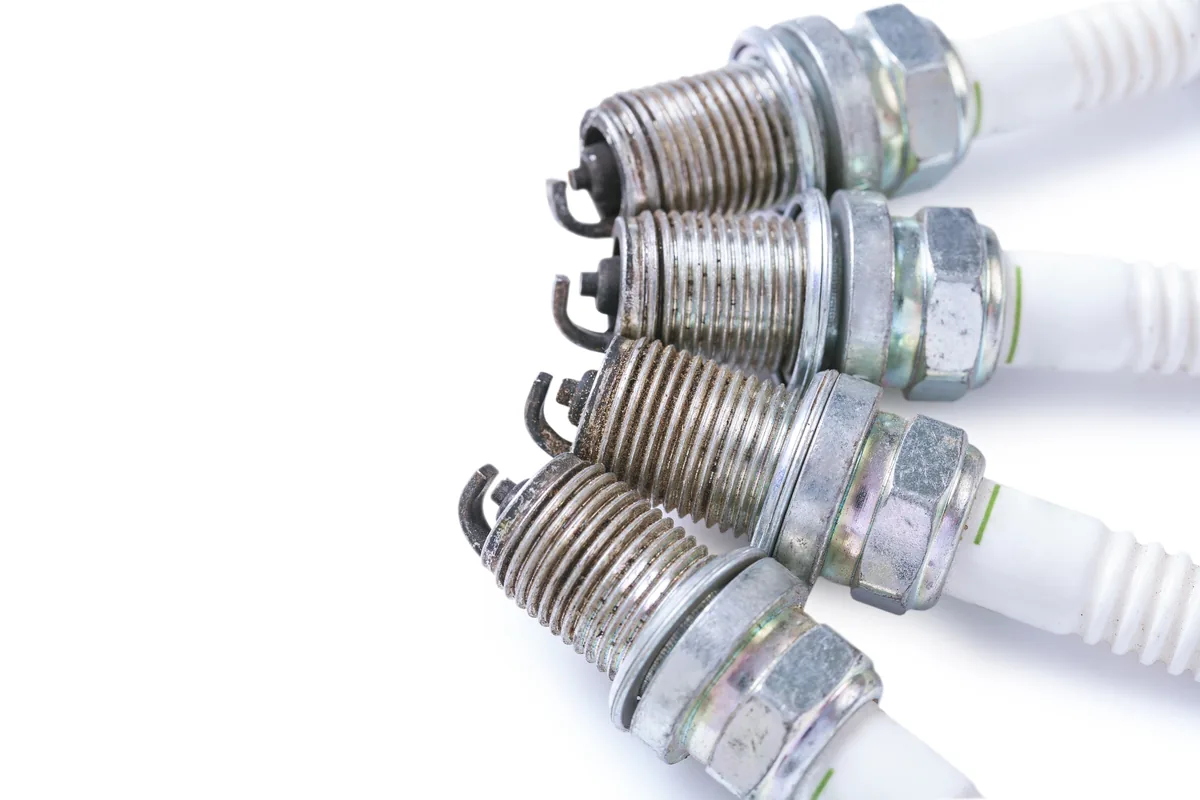
How to use the coil and injector swap test to prove which part is faulty on cylinder one, so you replace the thing that is actually broken.
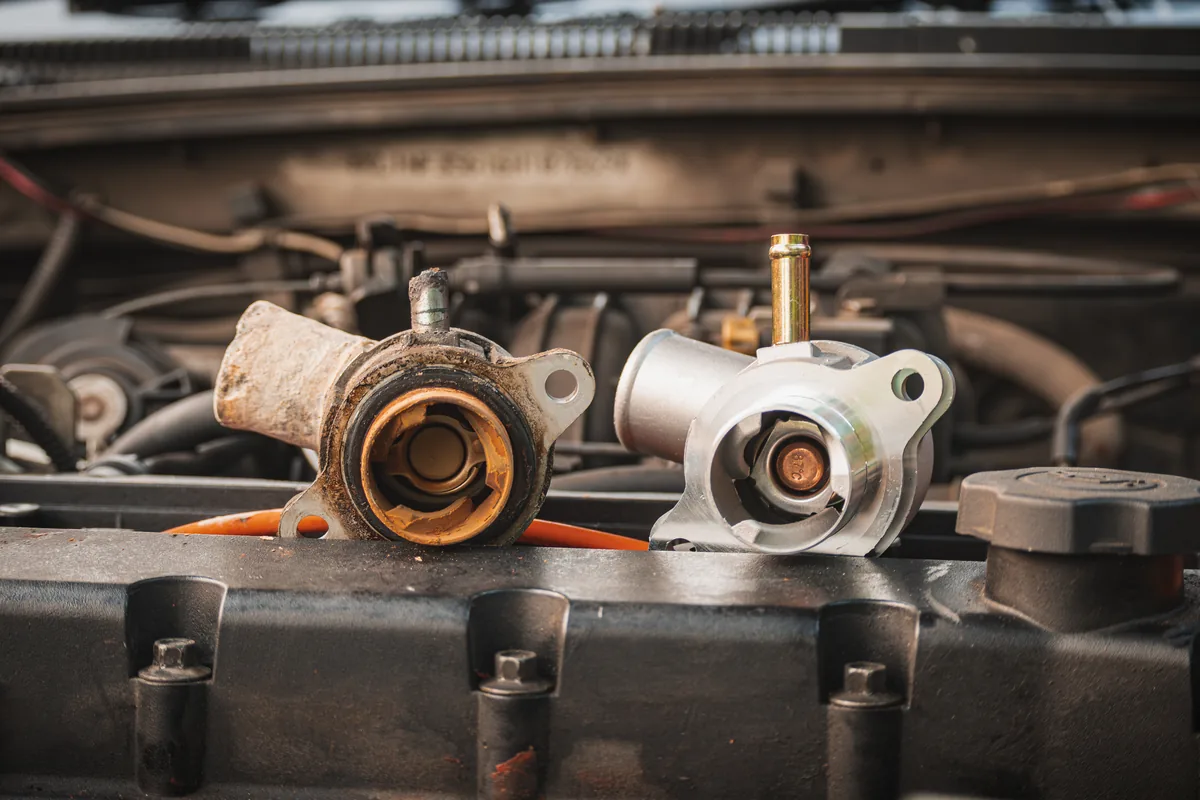
P0128 means your engine is not reaching its expected temperature in the expected time. What that costs in fuel and wear, how to confirm it from cold, and the real bill.
Why a random misfire code almost always points at something every cylinder shares, how the ECU detects it, and the order to check things in.
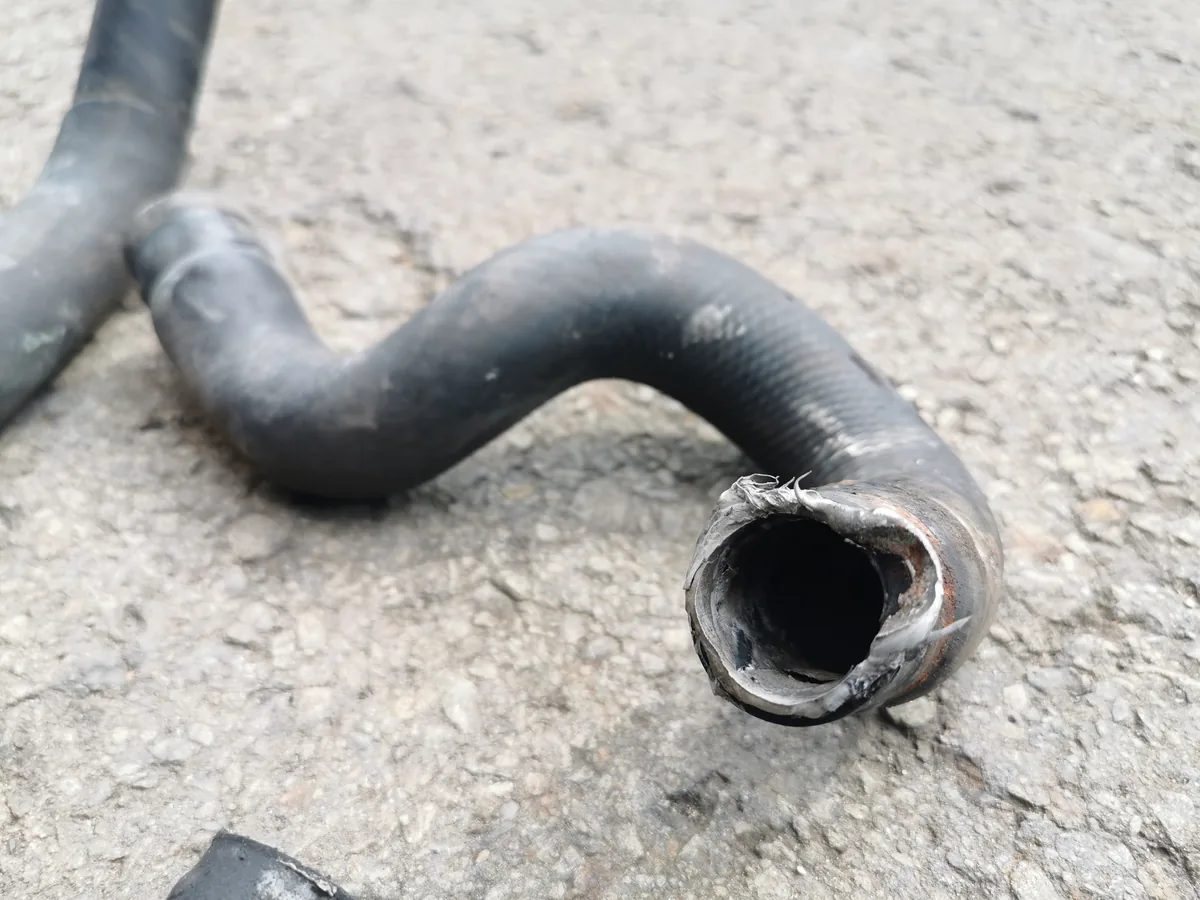
What a lean code on bank 1 really tells you, how to read fuel trim properly, the causes in order of likelihood and cost, and what a garage will charge.
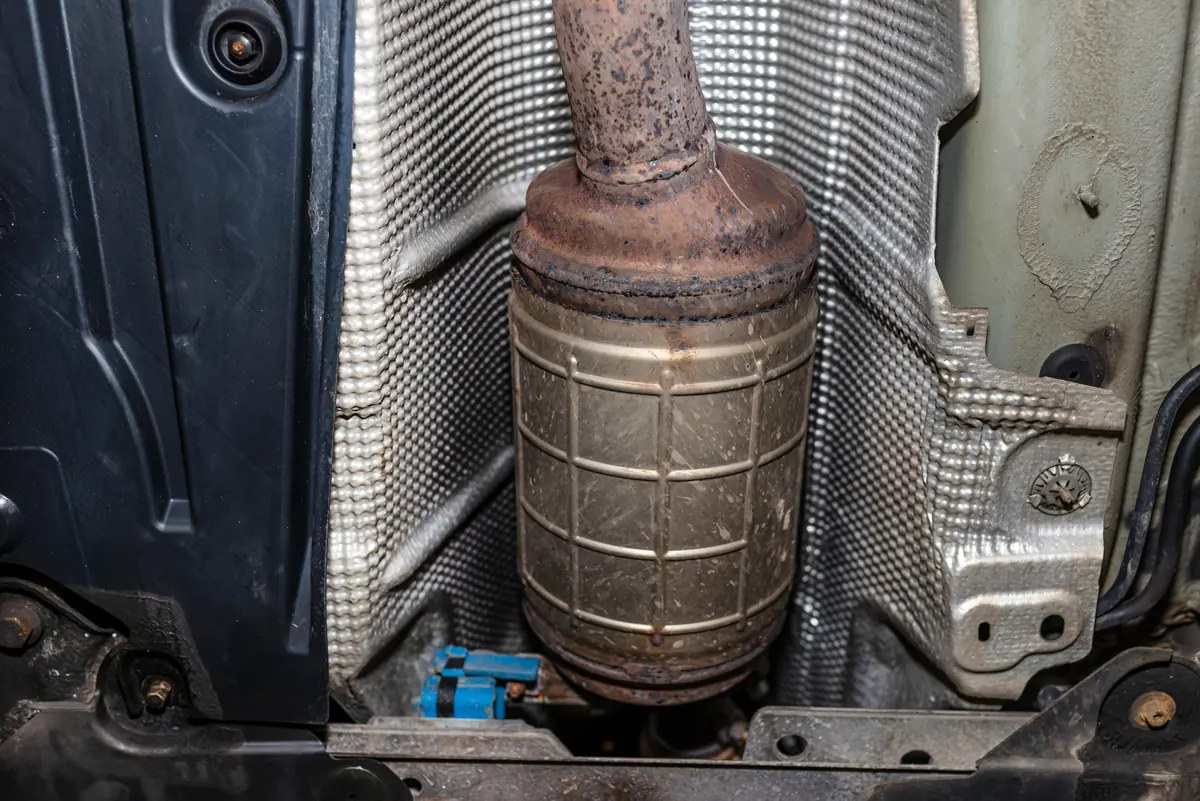
What the ECU is really measuring when it stores P0420, the cheaper faults that produce an identical reading, and how to check them in order before buying a converter.