
P0011 Cam Timing Over-Advanced: Start With the Oil
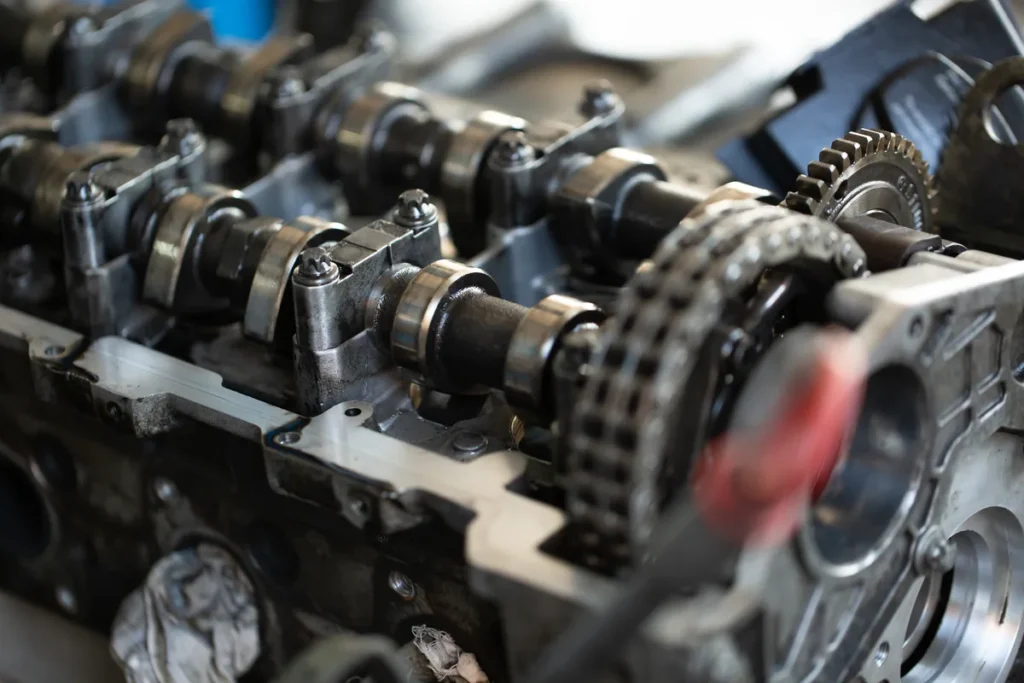
The ECU asked the camshaft to sit at a particular angle, measured where it actually sat, and found it further advanced than it wanted. Variable valve timing is worked by engine oil pressure rather than electronics alone, so the first things worth suspecting are the oil in the sump and the small solenoid that meters it, not the phaser itself. That makes this one of the few codes where an oil and filter change is a legitimate diagnostic step rather than a dodge.
What the code actually means
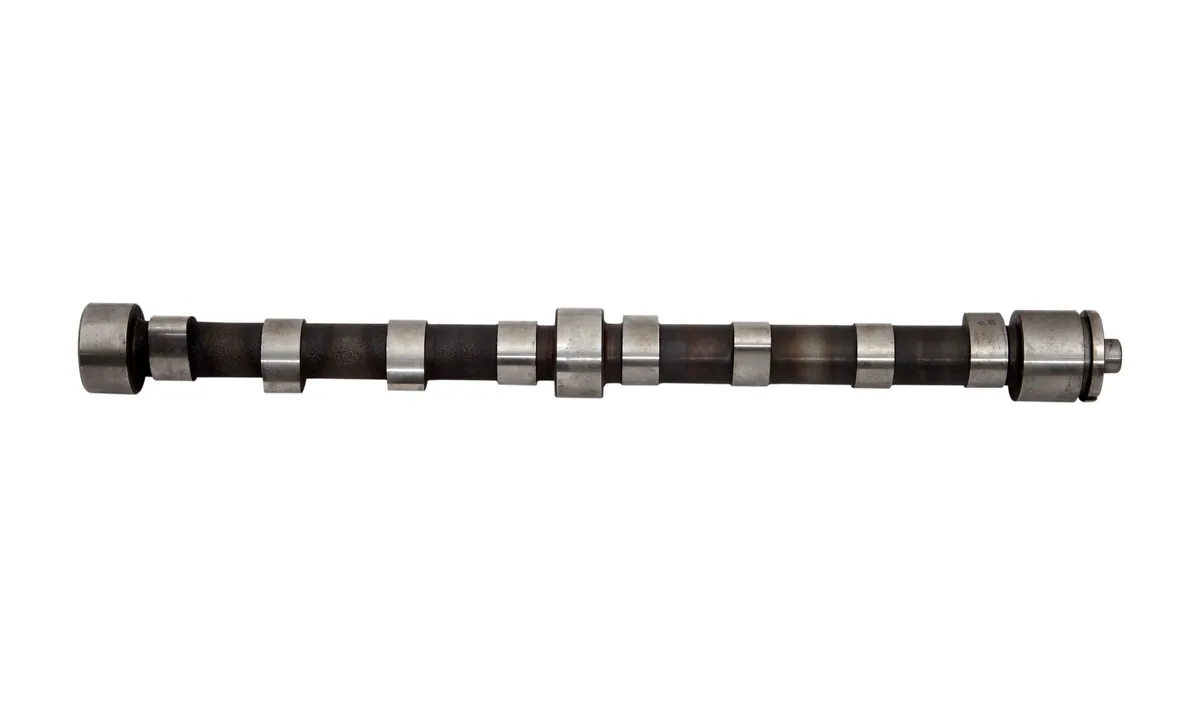
Variable valve timing lets the engine rotate a camshaft slightly relative to the crankshaft while it is running, changing when the valves open and close. Retarding or advancing the cam a few degrees improves low-speed torque, top-end breathing, idle quality and emissions at different points in the rev range, so the ECU is constantly moving it. The letter A refers to the first cam actuator on that bank, which on most engines is the intake cam.
The mechanism is mostly hydraulic. The ECU energises an oil control valve, sometimes called the VVT solenoid, which directs pressurised engine oil into chambers inside a phaser bolted to the end of the camshaft. Oil pushes the phaser round against the sprocket, and the cam moves with it. The ECU then confirms the result by comparing the camshaft position sensor signal against the crankshaft sensor.
P0011 means that comparison came back with more advance than was commanded, by more than the ECU is prepared to tolerate. There are only a few ways that happens. Oil is reaching the phaser when it should not be, because the control valve is stuck or blocked with debris. The phaser itself cannot return or hold position. Or the timing measurement is wrong, because the chain has stretched or jumped.
The hydraulic part is why oil matters so much. The passages and the filter screen ahead of the control valve are small enough to be blocked by sludge from long or missed service intervals, and the wrong oil viscosity changes how quickly the phaser can move, which is precisely what the ECU is measuring. An engine that has been run low on oil, or on the wrong grade, will produce this code without any component having actually failed.
Check first, free
Before anything else, pull the dipstick. Look at the level, and look at the state of the oil. Dark treacle, or a level below minimum, is the answer on a fair number of these. Then find the exact viscosity and specification your handbook asks for, since a previous owner or garage using a generic grade is a common cause.
Symptoms you’ll actually notice
This code usually does change how the car behaves, though the effect ranges from barely noticeable to genuinely awkward:
- A rough or unstable idle, sometimes bad enough to stall when you come to a stop.
- Hesitation or a flat spot when pulling away, with the engine feeling gutless low down.
- Harder starting, particularly on a hot engine.
- Worse fuel economy, since the valve timing is no longer where the mapping expects.
- A brief rattle from the front of the engine on start-up, which points at the chain or phaser rather than the oil.
If the rattle is loud or lasts more than a second or two, stop reading and get the timing chain inspected. That noise is not something to drive around with while you work through cheaper options.
Likely causes, cheapest first
| Cause | Typical part cost | Why it’s on the list |
|---|---|---|
| Low, old or wrong-viscosity engine oil | £30 to £70 for oil and a filter | The most common cause by a distance, and the cheapest thing you can possibly try. |
| Blocked filter screen at the oil control valve | Cost of a gasket or O-ring, often under £10 | A fine mesh sits in the oil feed and clogs with sludge. Cleaning it is usually enough. |
| Oil control valve sticking or contaminated | £25 to £90 | Often frees up with cleaning. If the spool is scored or the winding has failed, replace it. |
| Damaged wiring or a poor connector at the solenoid | A few pounds | Quick to inspect, and it explains a solenoid that never responds to the command. |
| Camshaft position sensor or a dirty reluctor ring | £15 to £60 | The measurement can be at fault rather than the timing. Metal debris on the ring skews the signal. |
| Worn cam phaser | £150 to £500 for the part | Real, but well down the list. Confirm the oil supply and the solenoid before condemning it. |
| Stretched timing chain or a worn tensioner | £250 to £900 or more fitted | The cam is genuinely out of position. Expect a start-up rattle alongside the code. |
Most fault codes punish you for starting cheap, because the cheap option is a guess. This one is different. Fresh oil of the correct specification and a clean screen genuinely fix a good proportion of P0011 cases, and even where they do not, the engine needed the service anyway and you have removed the biggest variable from the diagnosis.
Narrowing it down with live data
The parameters that matter are commanded camshaft angle, actual camshaft angle, the VVT solenoid duty or command percentage, engine speed, calculated load, and oil or coolant temperature. Watching commanded against actual is the whole diagnosis, so graph the two together rather than reading them as numbers.
On a healthy system at warm idle, the commanded angle sits at or near its resting position and the actual angle follows it closely. Hold a steady 2,000 to 2,500 rpm and the ECU will start asking for movement, and the actual value should track the command smoothly, without hunting and without a long delay.
Two patterns separate the main candidates. If the actual angle reads advanced even at idle when the ECU is asking for nothing, oil is getting into the phaser uncommanded, which means a control valve stuck open, debris holding it off its seat, or a phaser jammed out of position. If instead the actual angle chases the command sluggishly, lagging and overshooting, the story is oil supply: level, viscosity, a partly blocked screen or a phaser that is slow to respond.
The freeze frame narrows it further. A fault captured on a hot engine at idle, where oil is at its thinnest and pressure at its lowest, leans strongly towards oil condition. One captured on a cold engine points more towards a sticking solenoid or a mechanical problem. Note the engine speed and load too, and look for any cam or crank correlation codes stored alongside, because those change the diagnosis to a chain question. Reading these values as they move requires an edition with live data and freeze frame, which the edition comparison lays out.
Garage bill versus doing it yourself
| Job | Typical UK garage | DIY parts only |
|---|---|---|
| Diagnostic session | Roughly £50 to £120 | Your own time |
| Oil and filter change, correct specification | Roughly £70 to £160 | £30 to £70 |
| Oil control valve cleaned or replaced | Roughly £90 to £250 | £25 to £90 |
| Camshaft position sensor replaced | Roughly £70 to £180 | £15 to £60 |
| Timing chain, tensioner and guides | Roughly £600 to £1,500 | Specialist job, not parts alone |
Diagnostic time in the UK is usually billed at about an hour of labour, and the rate swings considerably between regions and between an independent garage and a main dealer. Timing chain work in particular varies enormously depending on whether the engine has to come out, so the band above is wide for good reason.
When this is a DIY job and when it isn’t
Sensible to try yourself
An oil and filter change is well within most people’s reach, and it is the right first move here. Use the exact grade and specification in the handbook rather than whatever is on offer, because viscosity is part of how the system works. The oil control valve is often held in by one or two bolts on the front or side of the head, and removing it to clean the mesh screen and fit a fresh O-ring is a modest job on many engines. Inspect the plunger while it is out and check the connector for corrosion.
Leave this to a workshop
Anything past the solenoid needs care. Cam phasers are held by bolts that are frequently torque-to-yield and sometimes left-hand threaded, and getting one wrong can leave the cam free to turn. Timing chain work needs proper locking tools and the correct sequence, and on an interference engine an error means valves meeting pistons and a bill far beyond the original fault. If your live data says the chain has stretched or the phaser is stuck, that is the point to book the car in.
Clearing the code the right way
Do the work first, then clear. Clearing before you have read the freeze frame throws away the temperature and load conditions that told you which of the two patterns above you are dealing with.
Remember that pending and stored codes mean different things. A pending code has failed its test once and is being watched, while a stored code with the lamp lit has failed repeatedly. After an oil change, clear the code once and then drive the car through several proper warm-up and cool-down cycles rather than judging it on one trip.
If the code returns quickly, that is useful rather than disheartening: it tells you the oil was not the whole story and the solenoid or the mechanical side needs attention. Clearing also wipes the readiness monitors, which take a mix of driving to complete, so never clear a code shortly before a test in the hope of slipping through.
What this means for your MOT
An engine management light that stays on is an MOT failure in its own right in the UK on petrol cars first used from July 2003, so P0011 will stop a car passing even if it drives acceptably. Valve timing that is off target also changes what comes out of the exhaust, so the emissions check is at risk as well, and in the US a smog check fails on an illuminated lamp and on readiness monitors that have not finished. Sort the cause, clear the code, and give the car a week of normal driving before the test.
Compare commanded against actual
This code is settled by graphing what the ECU asked the camshaft to do against what it actually did. You can install AutoScan and check it connects to your car before choosing an edition.
Read it yourself
Stop guessing at the code
AutoScan reads the fault straight out of your car and tells you what it means in plain English, on your own Windows laptop. The trial reads real codes before you pay anything.
Keep reading
Related guides
P0301 Cylinder 1 Misfire: Find the Cause Before Buying Parts
How to use the coil and injector swap test to prove which part is faulty on cylinder one, so you replace the…
P0016 Timing Correlation: Why a New Sensor Won’t Fix It
P0016 is a mechanical timing fault far more often than a sensor fault. Here is what the ECU compared, what usually causes…
P0300 Random Misfire: What Causes It and How to Find It
Why a random misfire code almost always points at something every cylinder shares, how the ECU detects it, and the order to…