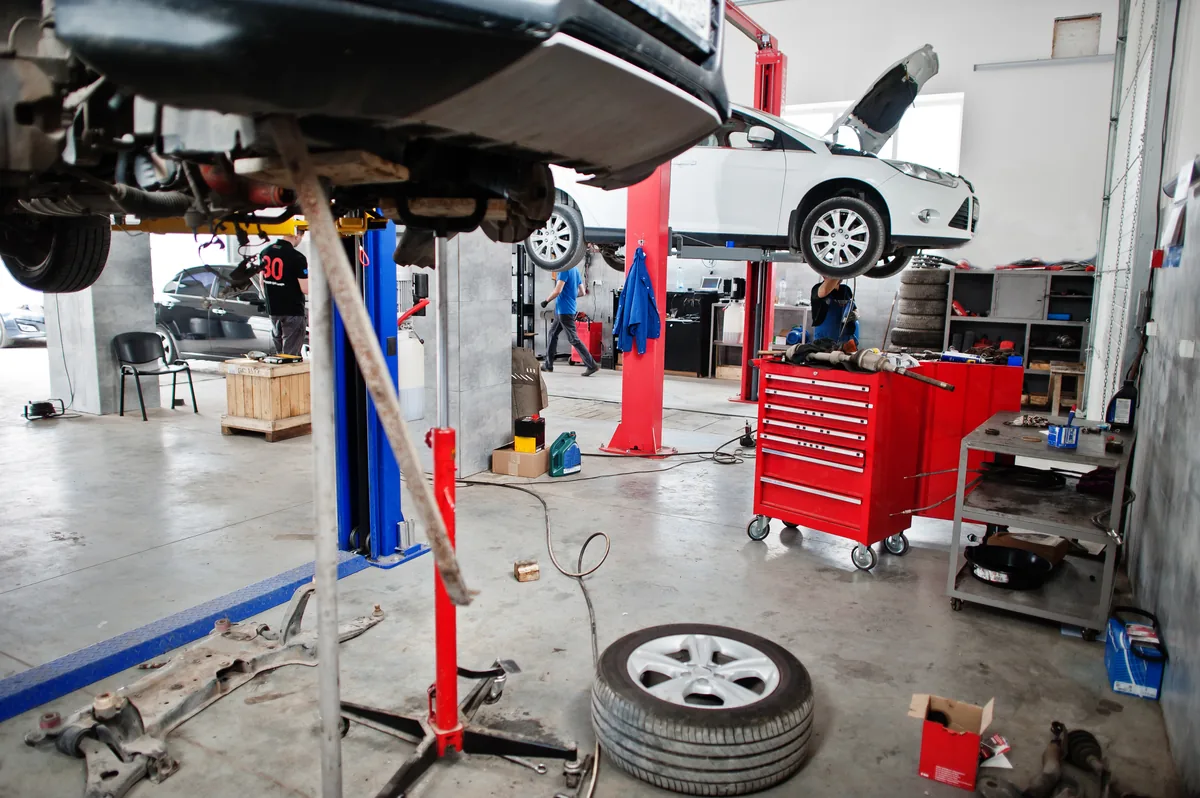
MOT Emissions Failure: Find the Cause Before the Retest
An emissions fail tells you the numbers were wrong but not why. Here is how to read the failure sheet, work out the likely cause, and avoid paying for a second fail.

AutoScan journal
Fault codes explained properly, what each one usually costs to put right, and how to check it yourself before anyone quotes you.
An emissions fail tells you the numbers were wrong but not why. Here is how to read the failure sheet, work out the likely cause, and avoid paying for a second fail.

Free OBD2 apps are genuinely good for some jobs and genuinely useless for others. A straight look at where the free tier stops and whether paying is worth it for you.
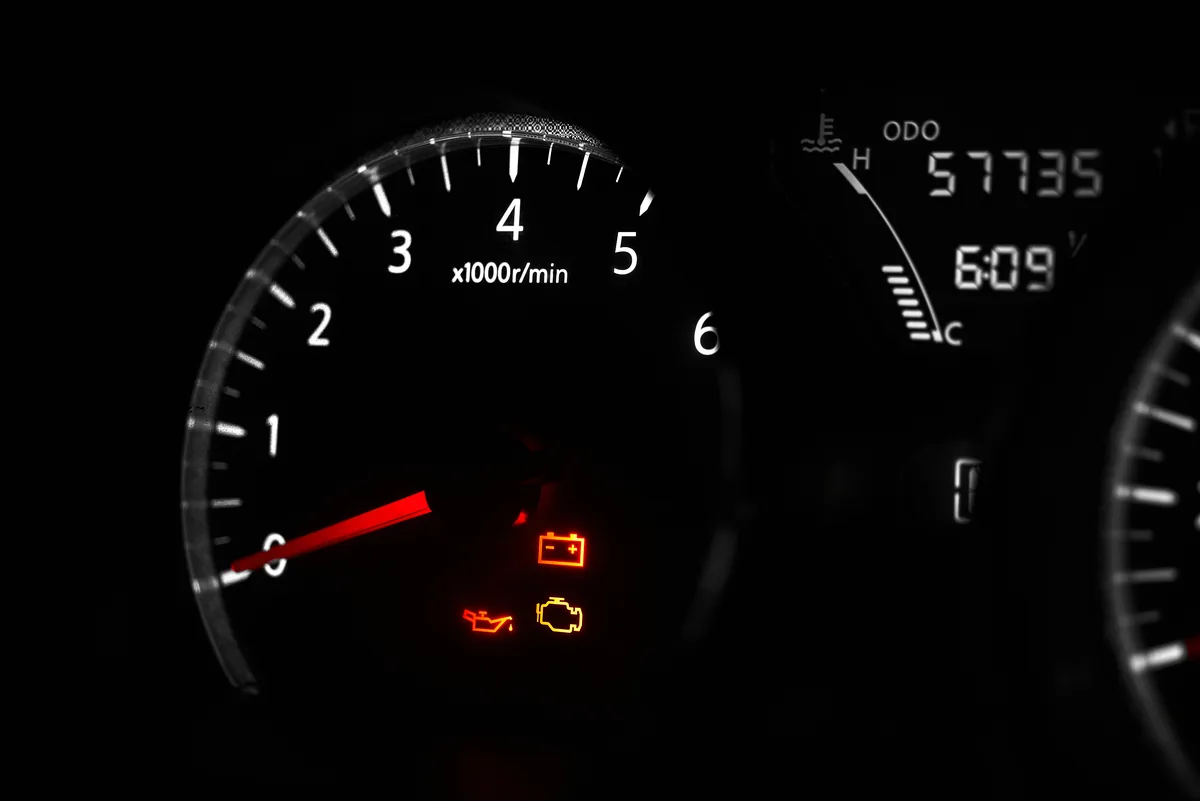
Yes for most modern cars, but not for all of them, and the date your car was first used decides it. Here is exactly what the tester checks and why.
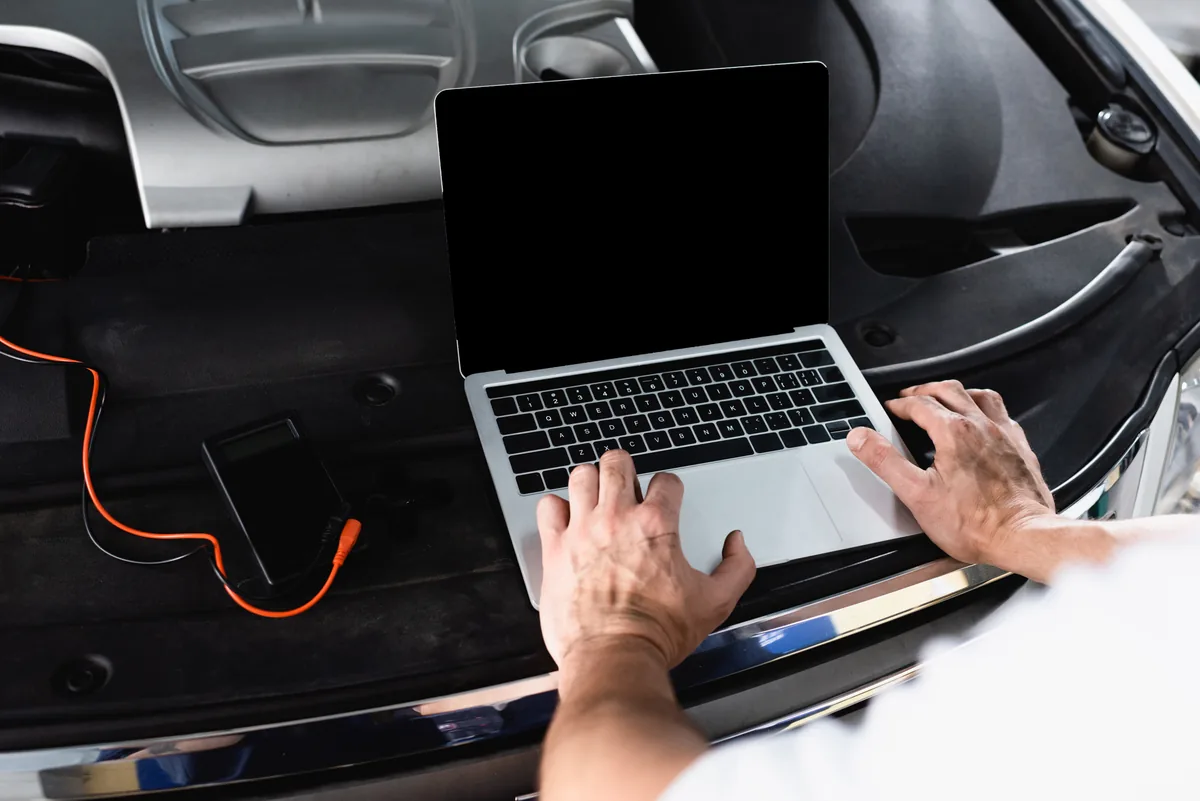
From finding the OBD2 socket to interpreting what you get back, including the freeze frame most people skip and the mistakes that waste the reading entirely.
How your car monitors itself, what a fault code really represents, and why an emissions regulation from the 1990s is the reason you can diagnose a modern car with a cheap adapter.
The snapshot your car saves when a fault code is stored is often more useful than the code itself. How to read each field and what the combinations point at.
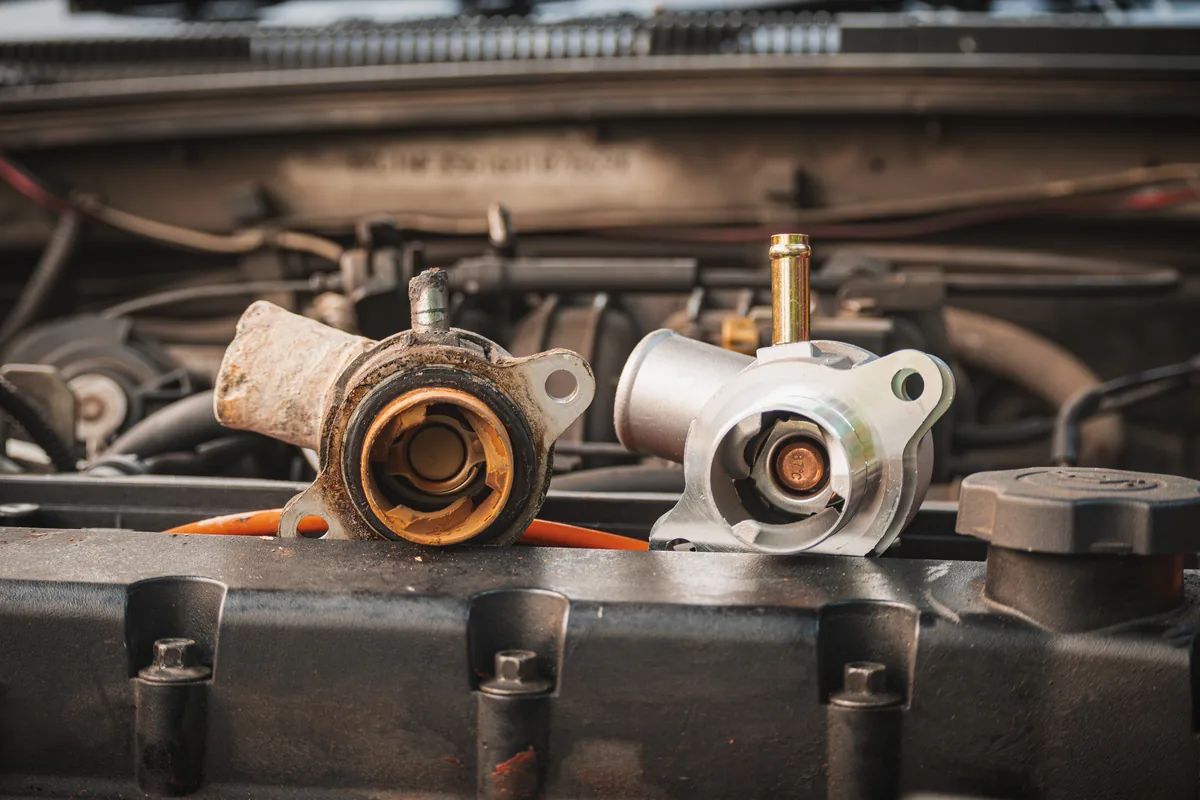
P0128 means your engine is not reaching its expected temperature in the expected time. What that costs in fuel and wear, how to confirm it from cold, and the real bill.
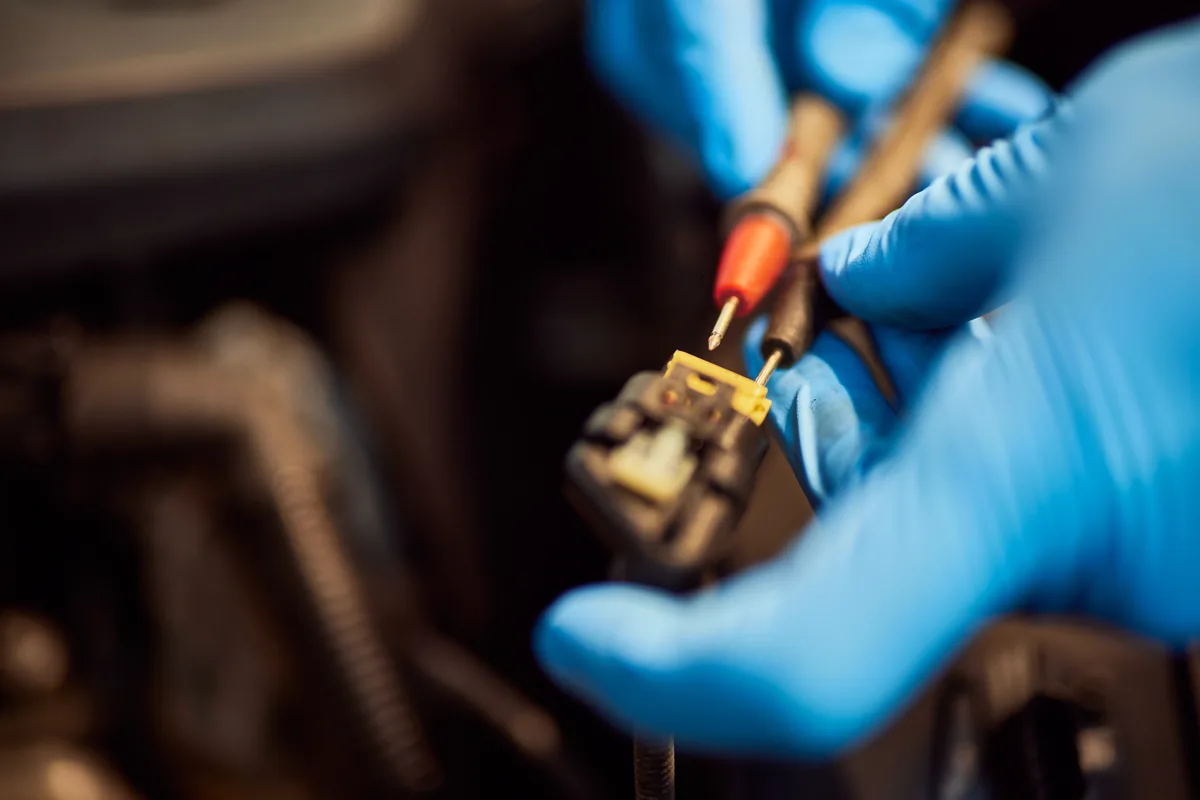
Most OBD2 connection problems are the adapter, not the software. What the ELM327 chipset actually is, how the clones differ, and what to look for when buying.
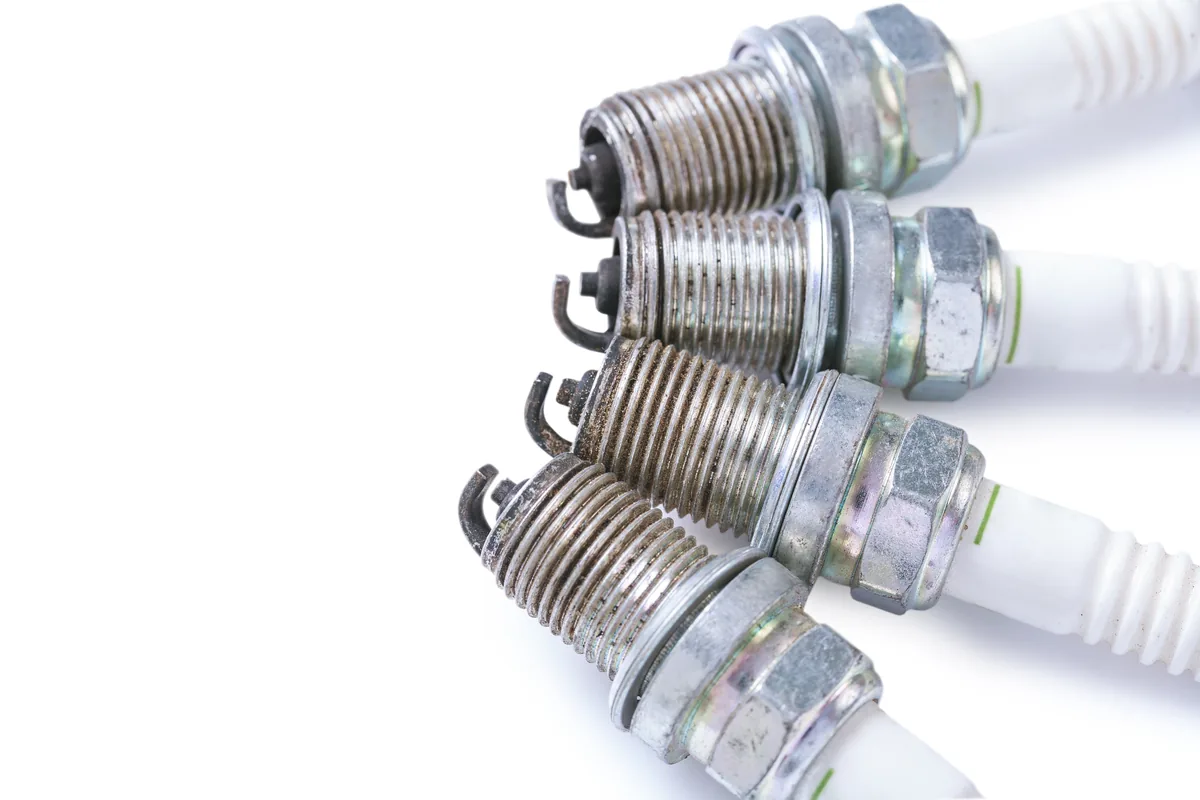
Why a random misfire code almost always points at something every cylinder shares, how the ECU detects it, and the order to check things in.
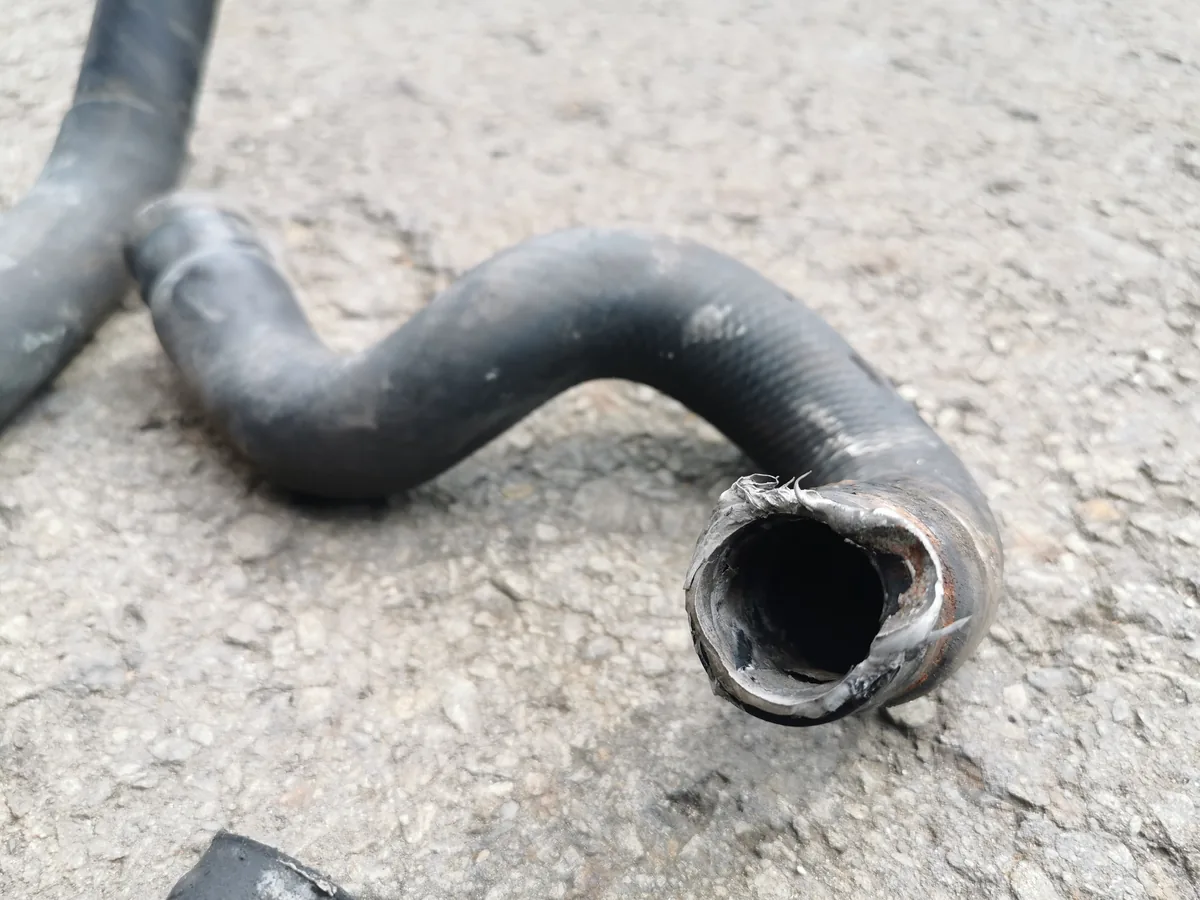
What a lean code on bank 1 really tells you, how to read fuel trim properly, the causes in order of likelihood and cost, and what a garage will charge.