
P0171 System Too Lean (Bank 1): Causes and Real Fix Costs
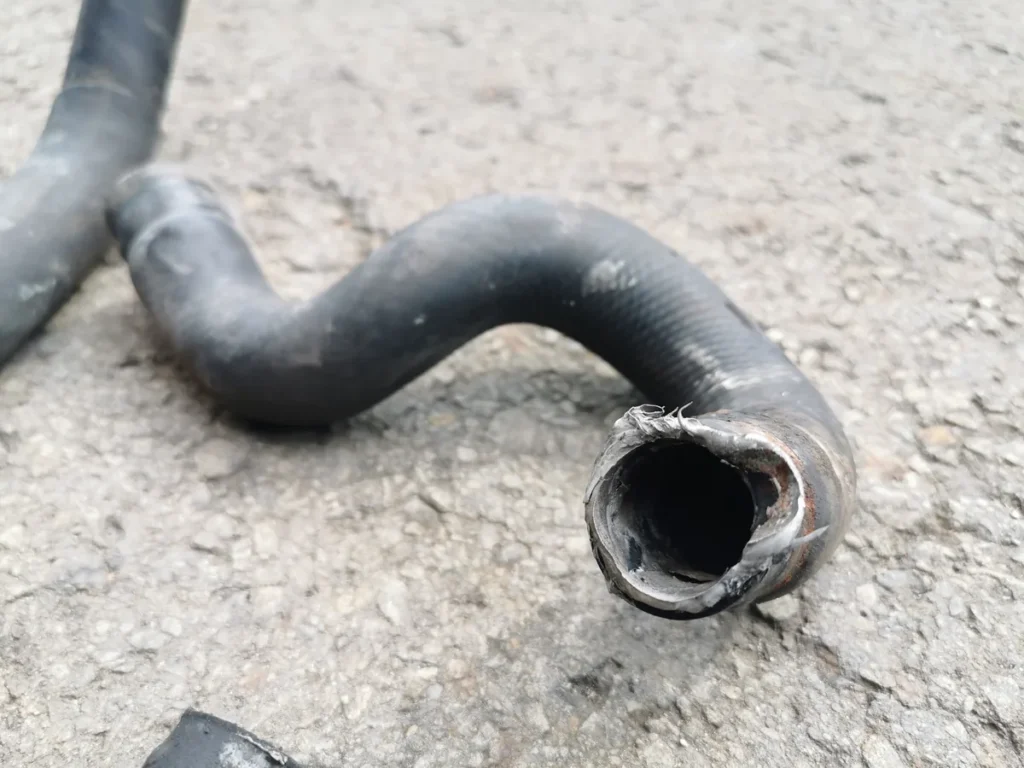
P0171 means the ECU has spent a sustained period adding extra fuel to bank 1 and has run out of room to keep doing it. The code describes the mixture the ECU measured, not the part that spoiled it. Usually the cause is air getting into the engine after the point where the car measures it, and the guilty part costs less than a tank of petrol.
What the code actually means
Once a petrol engine is warm, the ECU stops running from a lookup table and starts listening. The upstream lambda sensor in the exhaust manifold reports, several times a second, whether the burnt mixture was rich or lean, and the ECU adjusts how long it holds the injectors open to suit. That is closed loop operation, and it runs constantly as you drive.
Those adjustments show up on a scan tool as fuel trim. Short-term trim is the correction happening this instant. Long-term trim is the offset the ECU has learned and stored because it keeps having to make the same correction.
Here is the bit that trips people up. A positive trim means the ECU is adding fuel, and it only adds fuel when the mixture it measured was lean. Plus 18 per cent does not mean the engine is running rich; it means the engine wants to run lean and the ECU has been propping it up. Beyond roughly plus 10 per cent deserves a look, and beyond about plus 25 per cent the ECU has used up its authority, which is where P0171 gets stored.
Bank 1 is the cylinder bank containing cylinder one. An inline four has only one bank, so bank 1 is the whole engine, while a V6, V8 or flat engine has a second half with its own code, P0174. This is all petrol-engine logic, since diesels manage mixture differently and log different codes.
Symptoms you’ll actually notice
Plenty of cars set this code and otherwise drive normally. Where symptoms do appear, they tend to be these:
- An uneven or hunting idle that dips as you come to a stop
- A flat spot or brief hesitation when you pull away
- Economy that has quietly slipped by a few miles per gallon
- A hiss from the engine bay at idle that fades as you rev
- A longer, lumpier cold start for the first minute
- Misfire codes appearing alongside the lean code in worse cases
If the amber light is the only sign, that is normal here and still no reason to leave it. Lean mixtures burn hotter, and months of one are harder on exhaust valves and the catalyst than a weekend spent finding the leak.
Likely causes, cheapest first
| Cause | Typical part cost | Why it’s on the list |
|---|---|---|
| Split crankcase breather or PCV hose | £8 to £30 | They harden and crack with age, feeding in air the sensor never counted. |
| Perished intake boot, cracked vacuum line or leaking brake servo hose | £5 to £45 | Same effect anywhere between the airflow sensor and the valves. A loose clip is free to fix. |
| Dirty or contaminated MAF hot wire | £6 to £10 for MAF cleaner | Contamination makes it under-report airflow, so the ECU under-fuels and then trims back up. |
| Stuck open or split PCV valve | £12 to £50 | Behaves like a permanent vacuum leak, usually worst at idle. |
| Exhaust leak ahead of the upstream lambda sensor | £5 to £70 for a gasket, clamp or studs | Air drawn in at a leaking joint reaches the sensor, which reports lean even when the cylinder mixture was fine. |
| Weak fuel delivery: filter, pump or pressure regulator | £15 to £250 | If rail pressure sags, the injector opens for the commanded time but delivers less fuel. |
| Leaking or partly blocked injector | £40 to £140 each | Last for a reason. Injector faults usually hit one cylinder and bring misfire codes. |
Prices vary hugely between cars, so treat those as guides rather than quotes. The order matters more than the numbers. The classic way to waste money here is to read the words “system too lean”, blame the fuel system and buy a pump, when the culprit was two inches of split rubber hose.
Quick check
With the engine idling, listen with the bonnet up. A leak big enough to set P0171 usually hisses, and briefly pinching a suspect breather hose will change the idle if that is the one letting air in. Keep hands clear of the belt and the fan.
Narrowing it down with live data
Codes tell you what happened; live data tells you why, and on a lean code it does most of the work in ten minutes. Watch short-term and long-term trim for bank 1, mass air flow in grams per second, upstream lambda voltage, calculated load and RPM. Note the trims at a warm idle, then again holding a steady 2,500 rpm.
An unmetered air leak is a fixed-size hole. At idle the engine draws little air, so the hole is a large share of it and the trims are high. Raise the revs and the same hole becomes a small fraction of a much bigger flow, so the trims fall back towards zero. High trim at idle that shrinks with revs is close to a signature.
Weak fuel delivery does the reverse. There is enough to idle, so the trims look fine, but load the engine and they climb as the pump or filter falls behind. A MAF that under-reads gives similar positive trims at idle and at cruise, with a grams-per-second figure that looks too low for the load shown.
Check the upstream sensor while you are there. On a warm petrol engine in closed loop a healthy one switches rapidly between roughly 0.1 V and 0.9 V, several times a second. A trace that sits flat and low points at the sensor, or at an exhaust leak in front of it, rather than at the fuelling.
Freeze frame is the free clue people skip, storing engine speed, load, coolant temperature and the trims themselves at the moment the code set. Live data and freeze frame need AutoScan Enhanced or above; the Standard edition reads and clears codes but shows no sensor data.
Garage bill versus doing it yourself
| Job | Typical UK garage | DIY parts only |
|---|---|---|
| Diagnostic time, including a smoke test | £50 to £120 | £6 to £10 for cleaner plus an hour |
| Replace a breather, vacuum or servo hose | £45 to £110 | £5 to £40 |
| Clean or replace the MAF sensor | £40 to £260 | £6 for cleaner, or £35 to £180 |
| Replace the fuel filter | £60 to £130 | £15 to £45 |
| Replace an in-tank fuel pump | £250 to £600 | £70 to £280 |
UK garages commonly charge around an hour of labour for diagnostic work like this, at rates typically between £50 and £130 an hour and higher at a main dealer. A smoke test, which fills the intake with harmless vapour so leaks reveal themselves, is often the quickest route. Every figure here is a range because the same job on a Fiesta and on a V6 estate are not the same job.
When this is a DIY job and when it isn’t
Reasonable with basic tools
Replacing perished breather and vacuum hoses needs a screwdriver, a torch and patience tracing where each pipe goes. Cleaning a MAF sensor takes ten minutes with the right aerosol, and tightening a slipped intake clip costs nothing. Engine-bay fuel filters are usually within reach too, provided you depressurise the system first and have something ready to catch the spill.
Better handed over
Anything involving the tank is a different proposition. In-tank pumps often mean dropping the tank, and petrol vapour in a home garage is not worth the risk. Exhaust manifold leaks usually mean seized studs that shear off. Injectors need the rail out, new seals and the correct torque figures. If the trims point at fuel supply or at the manifold, book it in.
Clearing the code the right way
Fix first, clear second. Clearing a lean code before you find the leak just means it returns in a day or two, and that return is useful information: clear it, drive normally, and if it stays away for a fortnight the repair worked. Pending codes help as well, since pending means the ECU has seen the fault once and is waiting to see it again before lighting the lamp.
Clearing also wipes the readiness monitors, the background self-tests that prove each emissions system has checked itself. Those need a full drive cycle of town and motorway running before they set again, and until they do the car is not fit to be tested. Clearing a code to hide a fault is pointless as well as dishonest, because it comes back and the empty monitors give it away.
What it means for your MOT
In the UK an illuminated engine management light is an MOT failure in its own right on petrol cars first used from July 2003, whatever the code behind it, so P0171 will stop the car passing until it is dealt with. A badly lean petrol engine can also push the tailpipe figures the wrong way, and prolonged lean running is one of the things that eventually kills a catalytic converter. (In the United States the equivalent emissions or smog check fails on an illuminated lamp and on readiness monitors that have not completed.) Read the code, look at the trims, find the leak, fix it, then clear and drive for a few days before booking the test.
See the trims before you buy any parts
Fuel trim and freeze frame turn a lean code from guesswork into a short list. AutoScan runs on Windows with an ELM327 lead, covers 14,309 fault codes and reads over 90 live sensors, on a one-off licence key with no subscription.
Read it yourself
Stop guessing at the code
AutoScan reads the fault straight out of your car and tells you what it means in plain English, on your own Windows laptop. The trial reads real codes before you pay anything.
Keep reading
Related guides
P0442: Finding a Small EVAP Leak Without Guessing
What a small evaporative emission leak really is, why it hides so well, the cheap causes to rule out first, and how…
P0130 Upstream Oxygen Sensor Circuit: Causes and Fix Costs
Why the pre-cat lambda sensor circuit matters more than the one behind it, how to tell a dead sensor from bad wiring,…
P0401 EGR Flow Insufficient: Carbon, Cleaning and Costs
Why the EGR system exists, how the ECU works out that too little exhaust gas is getting through, and when cleaning the…