
P0442: Finding a Small EVAP Leak Without Guessing
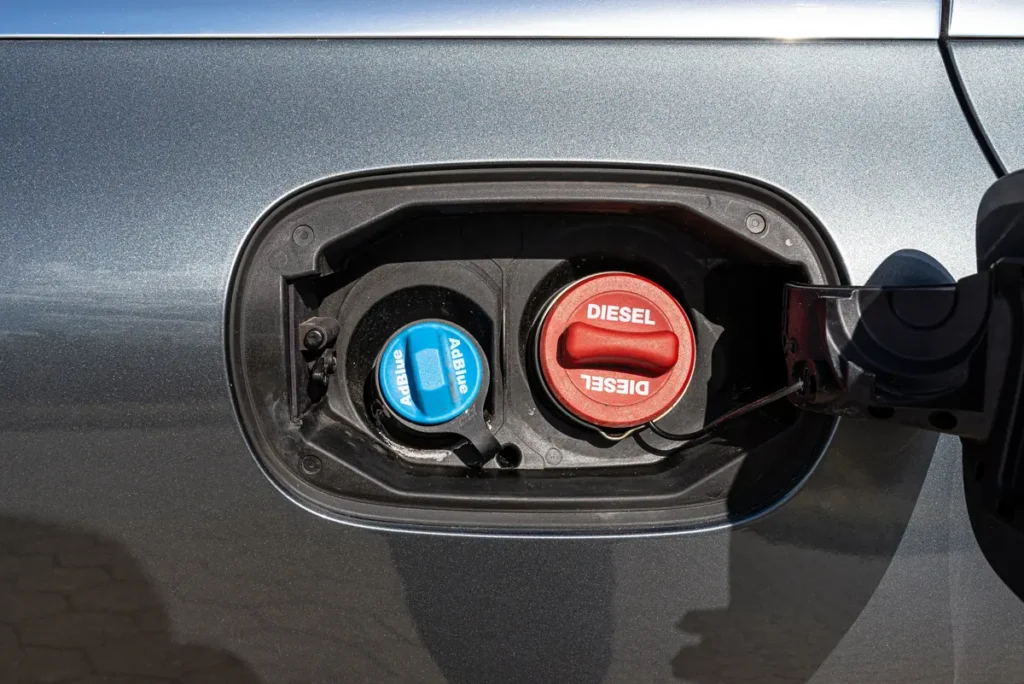
P0442 reports the result of a self test rather than naming a broken part. The ECU sealed the fuel vapour system on your petrol car, watched the pressure, and found it drifting away faster than a healthy system should. The leak is small, near enough pinhole sized, so nothing about the way the car drives will change. That is what makes it awkward: a warning light, and almost nothing to follow.
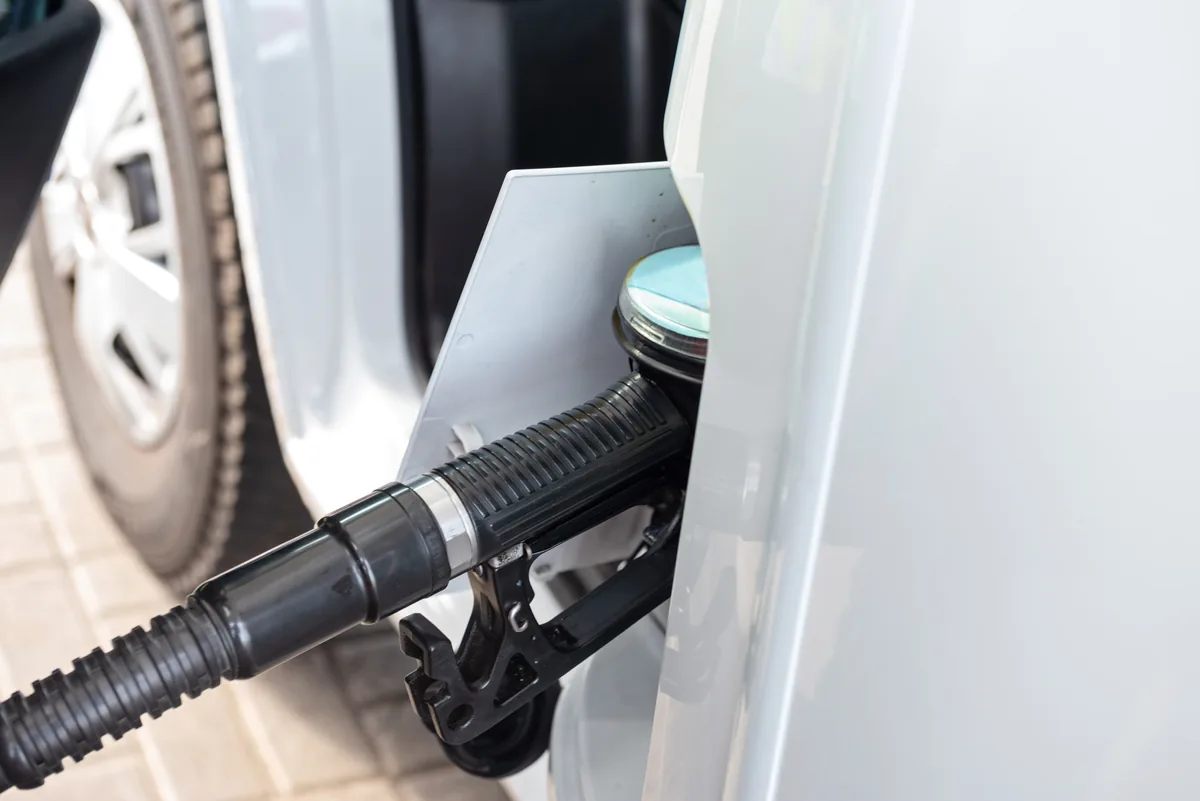
What the code actually means
Petrol evaporates, and the evaporative emission control system exists so that the vapour does not drift out of the tank into the air. It is routed into a canister packed with activated charcoal, which holds it like a sponge until the engine can use it. Once the engine is warm, the ECU opens the purge valve and manifold vacuum draws that vapour into the inlet to be burnt. None of this exists on a diesel, so the code does not apply to one.
Because the system is sealed except when the ECU deliberately opens it, the ECU can check its own work. A common method is to close the vent valve, which normally lets fresh air into the canister, then open the purge valve so engine vacuum pulls the tank and its plumbing into a slight depression. Everything is then shut and the fuel tank pressure sensor watched. Some cars pressurise with a small pump instead. Either way the question is the same: does the pressure hold, or creep back towards atmospheric.
P0442 is the verdict when that creep is measurable but slow. Manufacturers set the threshold to correspond to roughly a hole a millimetre or so across, though the exact figure varies between makes. That is far too small a leak to cost you fuel, and far too small to smell.
The test is fussy about when it runs, typically needing the tank between about a quarter and three quarters full, a stable ambient temperature and often a car that has sat overnight. That is why the light appears a day or two after you last drove, and why the tankful after a fill is a classic trigger.
Worth knowing
This is one of very few faults where an intermittent code is normal rather than suspicious. The monitor may only run every few days, so the light can go out on its own and return a week later with the leak unchanged.
Symptoms you’ll actually notice
- The engine management light. On most cars that is the entire list.
- No change to starting, idle, power or fuel consumption. The escaping volume is tiny.
- No fuel smell. If you can smell petrol at the back of the car, the leak is bigger than this code describes.
- EVAP readiness showing as not complete on a scan, which matters at test time.
- A light that goes out for a few days and returns, because of the narrow conditions the test needs.
Likely causes, cheapest first
| Cause | Typical part cost | Why it’s on the list |
|---|---|---|
| Fuel cap seal perished, or cap not clicked home | £0 to £20 | The rubber hardens with age and stops sealing on cold mornings. |
| Cracked or perished vapour hose | £5 to £30 | Years of road spray. A hairline split by a clip is exactly this size of leak. |
| Purge valve O-ring or seal leaking | £15 to £45 | The valve can seal internally and still weep past a tired O-ring. |
| Vent valve seal letting by | £25 to £70 | It must close fully for the test to mean anything. Grit on the seat fails it slowly. |
| Charcoal canister cracked or pinholed | £60 to £180 | A plastic moulding mounted low down, so it takes stone chips and corroded fixings. |
| Fuel tank pressure sensor reading inaccurately | £30 to £90 | Uncommon, but it explains a code no smoke test can find. |
| Filler neck rusted through | £80 to £250 plus fitting | Older cars and salted roads. Usually hidden behind a wheel arch liner. |
That order is deliberate. The temptation is to buy the part with the most convincing name, and plenty of people have fitted a purge valve to a car whose only fault was a ten pound cap. Work up the list, not down it, so that if you do reach the expensive end the cheap causes are eliminated rather than assumed.
Narrowing it down with live data
Live data will not point at the hole, but it stops you replacing the wrong component. Watch the fuel tank pressure sensor first. Engine off and cap on, it should sit close to atmospheric and stay still. Warm the engine and watch it when the purge valve is commanded open: the reading should move in a controlled way rather than snapping straight back. A value that never shifts points at a sensor, a blocked line or a purge valve that is not opening, none of which are leaks.
Then check purge valve duty cycle against short and long term fuel trim. If the purge opens and the trims swing noticeably negative, the valve is genuinely flowing vapour. No reaction at all, and the valve or its plumbing needs investigating in its own right.
Freeze frame is the part people skip, and here it is unusually useful. It captures the conditions when the monitor failed, and the fuel level and ambient temperature are the two most informative entries. A fault consistently recorded at a high fuel level suggests the filler neck or the top of the tank; one recorded at low level points further down. Cold weather failures often mean a hardened seal that seals perfectly well once warm, and a fuel cap is the usual suspect. Live data and freeze frame come with the Enhanced edition and above rather than Standard, and the edition comparison sets out the difference.
None of it replaces the tool that genuinely finds small leaks: a smoke machine. It fills the sealed system with dense, harmless vapour at very low pressure and you look for where it escapes. Scale is why that matters more here than on a large leak. You are hunting a pin prick across metres of hose, a canister, two valves, a filler neck and a tank flange, most of it under the car.
Quick check
Take the cap off and run a fingernail round the rubber seal in daylight. If it feels hard, glazed, flattened on one side or finely cracked, fit a cap specified for your car and drive it for a week before spending anything else. Refit it properly: most caps are meant to click, and one merely nipped up is not sealed.
Garage bill versus doing it yourself
| Job | Typical UK garage | DIY parts only |
|---|---|---|
| Fit a new fuel cap | £15 to £35 | £8 to £20 |
| Smoke test and leak location | £50 to £110 | Not realistic without a smoke machine |
| Replace a vapour hose | £45 to £100 | £5 to £30 |
| Replace the purge valve | £70 to £160 | £20 to £70 |
| Replace the charcoal canister | £180 to £450 | £60 to £200 |
Diagnostic time in the UK is commonly charged as roughly an hour of labour, and rates vary from around £50 at a small independent to well over £120 at a main dealer. Parts swing just as widely by car, so treat the figures above as a rough shape rather than a quote. On this code, paying for an hour of smoke testing is often cheapest overall, because it turns an open ended search into a known repair.
When this is a DIY job and when it isn’t
Reasonable to tackle at home
The cap, obviously. Beyond that, get the car safely on ramps or axle stands and follow the vapour lines from tank to canister with a torch, looking for chafing where a hose crosses a bracket and rubber gone hard and shiny. Purge valves are usually accessible in the engine bay and often a two bolt, one connector job.
Hand it to a garage
Anything involving dropping the tank, disturbing the filler neck, or a canister buried behind a rear arch liner. You are near petrol vapour with corroded fixings, and a rusted filler neck is a safety repair rather than an emissions tidy up. Hand it over too once the cap is replaced, everything reachable checked, and the code still returns.
Clearing the code the right way
Fix first, clear second. Clearing proves nothing on its own, and with EVAP faults it misleads, because the monitor may need several days and the right combination of temperature and fuel level before it runs again. If the light stays off for two days after a reset, that is not a repair, it is a monitor that has not tested anything yet.
The pending and stored distinction helps here. Most EVAP monitors must fail twice before the lamp comes on, so a pending code is the first strike: seen once, being watched. A stored code with the light on is confirmed. A pending code appearing after your repair means the leak is still there, which is the fastest honest feedback available.
The real test is time. Clear the code, then drive normally for a week with a tank neither brim full nor nearly empty, including a few cold starts. If the code returns, you have not found it. If the monitors complete and stay complete, you have.
Why it matters for your MOT
A leaking EVAP system will not change how the car drives, but the light it triggers is a problem in itself. In the UK an illuminated engine management light is a Major defect regardless of the cause on petrol cars first used from July 2003, so a pinhole in a vapour hose fails the car as surely as something serious. Clearing the code on the morning of the test backfires for the same reason it does before a US emissions check: wiping codes also wipes the readiness monitors. Repair it, let the monitors set, then take it in.
See whether the software runs on your car first
AutoScan runs on Windows with an ELM327 lead, covering European petrol cars from 2001, European diesels from 2004 and non-European cars from 1996. The free download confirms it installs and talks to your car.
Read it yourself
Stop guessing at the code
AutoScan reads the fault straight out of your car and tells you what it means in plain English, on your own Windows laptop. The trial reads real codes before you pay anything.
Keep reading
Related guides
P0301 Cylinder 1 Misfire: Find the Cause Before Buying Parts
How to use the coil and injector swap test to prove which part is faulty on cylinder one, so you replace the…
P0420: Why It Is Rarely Just the Catalytic Converter
What the ECU is really measuring when it stores P0420, the cheaper faults that produce an identical reading, and how to check…
P0128 Coolant Thermostat: Why the Engine Never Warms Up
P0128 means your engine is not reaching its expected temperature in the expected time. What that costs in fuel and wear, how…